Morning Walks
Starting your day with a walk can provide morning activity and exposure to natural light. Many people find morning walks fit well into their daily routine.
Learn about establishing regular walking practices that fit into your everyday schedule and lifestyle.
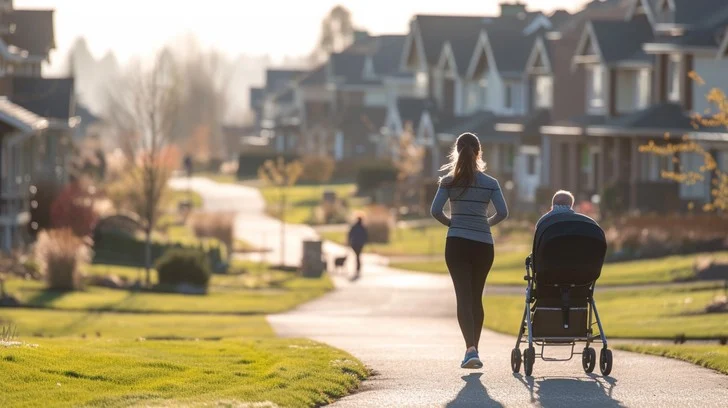
Creating regular walking habits involves understanding your schedule, preferences, and available time.
Starting your day with a walk can provide morning activity and exposure to natural light. Many people find morning walks fit well into their daily routine.
Taking walking breaks during the day can provide a change from sedentary activities. Short walks during lunch or work breaks are common options.
End-of-day walks can serve as a transition between work and personal time, providing outdoor activity before evening hours.
Begin with comfortable distances and durations. A 10-minute daily walk can establish a foundation that you can adjust over time based on your preferences and schedule.
Link walking to established daily activities such as morning routines, lunch breaks, or after-dinner time. This approach can help integrate walking into your schedule.
Consider potential scheduling conflicts such as weather changes, time constraints, or other commitments. Having alternative options can help maintain regular walking habits.
Explore various paths, neighborhoods, and locations to add variety to your walking routine. Changing routes can provide different scenery and experiences.
Consider walking with friends, family members, or pets to add social interaction to your routine. Group walking can provide companionship during outdoor activity.
Pay attention to your surroundings, physical sensations, and environment during walks. This attentive approach can enhance your walking experience.
Simple tracking methods can help you observe patterns and monitor your walking routine over time.
Keep a basic record of your walks including date, duration, and location. This documentation provides information about your walking patterns and frequency.
Note achievements such as consecutive walking days, distances covered, or new routes explored. Tracking progress can help you understand your walking habits.